
Within the vibrant landscape of gaming, the archives of RamblingsOfAGamer serve as a fascinating repository of insights, trends, and transformative ideas that define the art and craft of game development. As the gaming industry continues to evolve, understanding its past, present, and future becomes crucial for both developers and enthusiasts alike. This article delves into the multifaceted world of game development as chronicled in these archives, exploring its history, processes, community engagement, and emerging trends.
The Evolution of Game Development
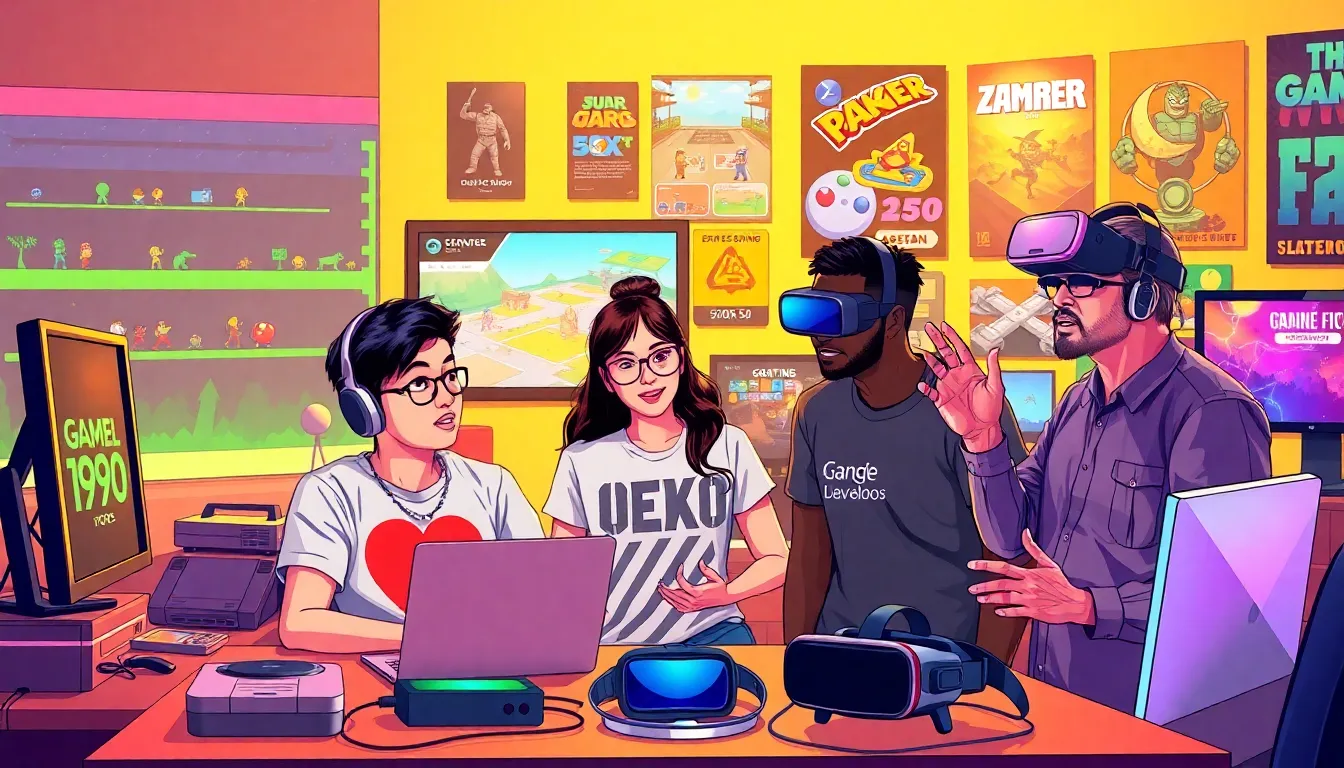
The history of game development is marked by rapid advancements and significant milestones that have shaped its current state. From the introduction of simplistic 8-bit graphics to the stunning virtual realities of today, the journey of gaming is as engaging as the games themselves.
Key Milestones in Game Development History
The inception of video games can be traced back to the 1950s, but it was the 1970s and 1980s that saw the birth of iconic titles like “Pong” and “Space Invaders” that sparked widespread interest. The evolution of gaming technology continued through the 90s with advancements in graphics and gameplay mechanics, culminating in the rise of online gaming in the early 2000s. Each era brought about game-changing innovations that redefined player experiences.
Impact of Technology on Game Development
Technology has always been the driving force behind game development. With the advent of powerful gaming consoles, advanced graphics engines, and the internet, developers are now able to create immersive worlds and complex narratives. Emerging technologies such as artificial intelligence and virtual reality are further pushing the boundaries, allowing for greater interactivity and realism in games.
The Game Development Process Explained
Understanding the game development process is essential for aspiring developers and industry enthusiasts. It involves multiple stages, each critical to creating a successful game.
Conceptualization and Pre-Production
The first phase of game development is conceptualization and pre-production. During this stage, developers brainstorm ideas, create storyline outlines, and define the gameplay mechanics. This groundwork involves creating concept art and designing a game prototype to pitch the idea to potential stakeholders.
Building a Development Team
Once the concept is solidified, assembling a dedicated development team becomes crucial. This team often includes roles such as game designers, programmers, artists, sound engineers, and marketers. Collaboration among these varied disciplines ensures that all aspects of the game are expertly managed from design to execution.
Testing and Launch Preparation
Before a game hits the market, thorough testing is imperative to ensure quality and functionality.
Quality Assurance and Feedback Loops
Quality assurance (QA) plays a pivotal role in the development process. This involves a series of tests designed to identify bugs, glitches, and inconsistencies within the game. Developers carry out feedback loops where they actively seek player input during beta testing phases, allowing for iterative improvements and enhancements based on real user experiences.
The Importance of Community Engagement
Community involvement is vital in the gaming industry. Engaging with the gaming community can provide valuable insights and foster brand loyalty.
Fan Forums and Developer Interaction
Online forums serve as platforms where players can interact, share opinions, and discuss their experiences. Developers frequently leverage these channels to gather feedback and answer community inquiries, creating a sense of connection and transparency between creators and consumers.
Learning from Game Releases: Case Studies
Analyzing past game releases provides developers with lessons on what works and what resonates with their audience. The success of titles like “Among Us” and the challenges faced by games such as “Cyberpunk 2077” illustrate critical insights into marketing strategies, community expectations, and post-launch support.
Future Trends in Game Development
The future of game development is poised for exciting transformations driven by emerging technologies.
Emerging Technologies and Their Influence
Innovative technologies such as blockchain, cloud gaming, and enhanced virtual reality are set to revolutionize how games are developed and consumed. Blockchain, for instance, presents opportunities for ownership and monetization of in-game assets, while cloud gaming eliminates the need for high-end hardware, making games accessible to a broader audience.
Indie Game Development: A Rising Trend
The indie game development scene has flourished in recent years, bringing fresh ideas and unique narratives to the forefront of the industry.
Resources for Aspiring Game Developers
For those looking to break into the indie game development world, numerous resources exist. Platforms such as Unity and Unreal Engine provide accessible tools for development, while online courses and tutorial videos offer foundational knowledge. Besides, indie game festivals and communities provide excellent networking opportunities and avenues for showcasing one’s work.
Conclusion
The archives of RamblingsOfAGamer shed light on the intricate tapestry of game development. From its historical roots and evolving processes to the critical importance of community engagement and the bright future ahead, the insights gleaned from these discussions illuminate the gaming industry’s dynamic nature. As technology advances and more creative minds enter the scene, the future of gaming promises to be more innovative and inclusive than ever.